Showing posts with label awareness. Show all posts

Wednesday, August 6, 2014

Sex Health Matters

Picture is a courtesy of : http://www.smsna.org/
by Daveon D.

As Teens mature they prepare for adulthood. They face many academic and social challenges. They deal also with their developing bodies, sexual pressures from peers, and alluring sexual messages from the media. When your body reaches a certain age, your brain releases a special hormone that starts the changes of puberty, called gonadotropin-releasing hormone or GnRH for short. If teens become sexually active at puberty, they are at risk for HIV and other sexually transmitted infections. In sexual active teens and young adults, sexually transmitted diseases/infections are problematic.

Chlamydia is the most common (STD) in the U.S. and chlamydia rates have increased among 15-19 old's. HPV (human papillomavirus), another STD has been linked to cervical cancer risk. The strongest predictor for an STD diagnosis was an disorderly family; a family that is fatherless and misguided. Adolescents in these families were four times more likely to report being diagnosed with an STD. Young people who received no sex education tended to be black from low-income non-intact families and rural areas. Despite a continuous effort by many agencies to spread information about sexually transmitted diseases, they continue to affect a large percentage of the population in the U.S. And a lot of those affected is of the young population.

HIV is the virus associated with AIDS . It can only be transmitted by an exchange of bodily fluids including semen, vaginal secretions, breast milk, and blood. It cannot be transmitted by casual contact. Most people with HIV are treated with a combination of drugs known as highly active anti-retroviral therapy or HAART. Even though this cannot cure the disease, it can reduce the chances that it will progress into AIDS. HIV is no longer a death sentence because many people with the virus are living long and productive lives.

Condoms are highly effective against the most dangerous of sexually transmitted infections—HIV, the virus that causes AIDS. They are also effective against unintended pregnancy as well as against gonorrhea, chlamydia, and trichomoniasis. Condoms also help with a lower rate of cervical cancer, an HPV-associated disease. It's important that sexually active youth have access to condoms to protect their health and their lives. America we must wake up . Use protection!!  Condoms HELP ! All you got to do is use it.  Simple.


Sunday, August 3, 2014

Society Killed The Teenager: Drug Abuse

by Ciara M.

Image courtesy of http://tracksuitjuicycouture.com/


Have you ever taken a survey and a question asks how likely are you to be influenced by your friends? Many of us say, “No, not likely at all” because we don’t want to become a follower. We like to define ourselves “independent” or the group leader who sets the tone. Many teens in the U.S. become under the influence just because they think smoking and drinking is cool, according to their friends. Teen drug and alcohol abuse has become very common, especially in young adults ages 15-24. By 8th grade year 15% of teens admitted to smoking marijuana. 50% of death in teens has been linked to drug and/or alcohol abuse. Alcohol is actually one of the top 3 causes of death in teens. Many teens feel that drugs and alcohol is a way that they can escape their problems or a way that they can feel good. The group of people I hang with agree that drinking is bad because of all the things they hear on TV about drinking and driving. That’s not the way they want to be remembered. Drugs, on the other hands, is okay. Or is it? What actually happens as these dangerous substances enter the body?

Image courtesy of http://www.nationalreview.com

Marijuana
Marijuana is the dried leaves, flower, or stem of a plant called Cannabis sativa, which includes delta-9-tetrahydrocannabinol, or THC. Marijuana’s legal status is different throughout the country. It’s legal for recreational use in only two states, while it can only be used for medical purposes in 21 states. Marijuana is a common drug in the U.S. and is a drug that is often smoked or brewed. When this drug is smoked, THC spreads from the lungs to the brain and other organs that absorb Anandamide, a chemical that has an identical structure. Anandamide plays a big part in the endocannabinoid system. This system is often related in brain development. When this drug is abused, it can damage the brain’s development.


Image courtesy of http://www.omgblog.com


MDMA
MDMA(methylenedioxymethamphetamine), also known as ecstasy or molly, is a drug most commonly in the form of a pill. MDMA will cause an increase in energy, euphoria, empathy, happiness and more. These effects last as long 3 to 6 hours. MDMA are commonly used at parties, especially at “raves.” MDMA also releases the hormones oxytocin and vasopressin. These hormones are related to one’s feelings of love, lust, sexual arousal, and closeness. This usually leads to unprotected sex. As mentioned before the drug may cause an increase in energy which means an increase in heart rate and high blood pressure. Users may experience some the following symptoms: muscle tension, nausea, blurred vision, fatigue, chills, or sweating. This drug can interfere with the body’s ability to control its temperature. It can also cause kidney or heart failure in extreme cases. This drugs is particularly dangerous because it is not always sold “pure”. It may be combined with other harmful drugs, such as cocaine, caffeine, chemicals used in bath salt, etc.


Image courtesy of www.beatatest.com

Cocaine
Cocaine can come in three different ways: powder, crack, and freebased. This drug can be ingested, snorted, and injected. There are five different phases when using cocaine. The first two phases are the short term side effects when you first use it. These two phases are known as the initial and middle crash.The initial crash comes immediately after taking the drug. This phase includes having symptoms of dysphoria, depression, anxiety, and agitation. The middle crash comes within 1 to 4 hours of taking the drug. During this phase, users may feel sleepy. The last three phases comes within days, weeks, months, or years. They might also be associated with people who soon become addicted to the drug. These people may feel sleepy, depressed, lazy, and they lack the ability to feel pleasure. Cocaine can also affect the body by constricting blood vessels, dilating pupils, increasing heart rate, body temperature, and blood pressure. People who use cocaine are also at risk for contracting HIV, whether it’s caused by sharing needles or being intoxicated by the drug that leads to sexual behavior. Long term users also experience severe paranoia and hallucinations.

These drugs are the most talked about drugs that have come up in conversations. Today, it may just be a hookah pens, but eventually it will be marijuana. Or it could start as snorting crushed up candy and turn into snorting cocaine. Reading research and talking about drug abuse can decrease the use of drugs by 42%. Make sure you always know the complete story behind drug abuse and the damage it can do to your health.


Image courtesy of http://inkedbiochemist.wordpress.com


Works Cited

1. "Alcohol and Drug Abuse." Alcohol and Drug Abuse. N.p., n.d. Web. 27 July 2014. <http://www.aacap.org/aacap/Families_and_Youth/Glossary_of_Symptoms_and_Illnesses/Alcohol_and_Drug_Abuse.aspx>.
2. "Drugs of Abuse." National Institute on Drug Abuse (NIDA). N.p., n.d. Web. 29 July 2014. <http://www.drugabuse.gov/drugs-abuse>.
3. Gahlinger, Paul M.. Illegal drugs. U.S.: Sagebrush ;, 2001. Print.
4. "Teen Drug Abuse Facts | Teenage Alcohol Statistics." Teen Drug Rehabs. N.p., n.d. Web. 28 July 2014. <http://www.teendrugrehabs.com/facts-and-stats/>.


Wednesday, July 30, 2014

WHAT DO YOU EVEN KNOW ABOUT CANCER?!

How many people in your family have died from cancer? None? With the high rates of cancer among women, you may be the first. Did you know cancers are the second leading causes of death in America? According to Center for Disease Control (CDC), every year approximately 250,000 women die of cancer in the United States. It’s about time someone informs America about the signs of common cancers in women. The three most common cancers in women are breast cancer, lung cancer, and colorectal cancer.
photo by:
"Understanding Breast Changes: A Health Guide forWomen."
 National Cancer Institute
Breast cancer is the number one cancer in women. Don't think that if no one in your family has gotten breast cancer you can't ever get it in a million years. Nevertheless, mammograms are not always 100% correct when searching for this cancer. In breast cancer, there are many indicators that you can check for such as: lumps or hard knots within the breast, swelling or warming of the breast, strange size or shape of the breast, dimpling or puckering of the skin, itchy or scaly sore or rash on the nipple, pulling in of the nipple, random nipple discharge, and pains that do not go away. Of course, women shouldn’t think that once they have these symptoms they automatically have breast cancer. This is merely a warning of what to look out for. But if women do have these symptoms they should immediately go to a doctor. If you do not find a doctor once these symptoms occur, you may regret it in the long run.

photo By:
"can a Chest X-ray or Echo Detect Lung Cancer?"
HealthTap
Coughing a great deal can mean trouble for your lungs. Lung cancer is the second most common cancer in women. Do you ever cough so much so badly, it hurts and your lungs do not feel right, and you cough up this nasty ball of snot or phlegm? that's bronchitis. Recurring bronchitis can be a sign of lung cancer and can also be a symptom. Signs of lung cancer are coughing, pain in the chest, shoulders, or back that are unrelated to pain from coughing, shortness of breath, changes in the voice or being hoarse, harsh sounds with each breath (stridor), pneumonia, and coughing up blood. However, just because you have bronchitis does not mean you have lung cancer. If you are afraid that you may have lung cancer, seek a doctor for help and don’t jump to conclusions.
photo by:
"Colorectal Survival." TNM Stage
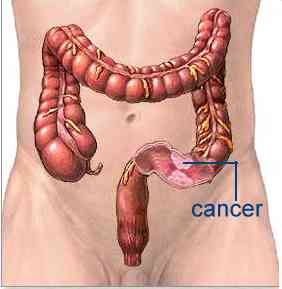
Colorectal is the third most common cancer in women. Colorectal cancer is cancer that is in your colon, the final portion of the tube that connects your mouth to your anus. Do you ever look at your poop? Well you should start looking at it. Common signs of colorectal cancer are changes in bowel movements, including persistent constipation or diarrhea, a feeling of not being able to empty the bowel completely, an urgency to move the bowels, rectal cramping, or rectal bleeding; dark patches of blood in or on stool; or long, thin, "pencil stools"; abdominal discomfort or bloating. Unexplained fatigue; loss of appetite, and/or weight loss; pelvic pain, which would occur in later stages. But of course, a bloody stool can also just be a hemorrhoid. If women feel they have had these symptoms for a long period of time they should seek a doctor immediately for a check-up.
According to the CDC for every 100,000 women, 118.7 women will develop breast cancer, 52.4 will develop lung cancer, and 35.4 will develop colorectal cancer. That is 206.5 women for every 100,000 women . What makes you think that you will not be apart of those 206 people? Anything is possible, and life doesn't always go your way. If you feel like you may have cancer due to any of these signs, see a doctor immediately. Your health is the most important thing and it revolves around your whole life. As what Albert Schweitzer once said, "Happiness is nothing more than good health and a bad memory".
For more information about common cancers in women visit: http://www.cancer.org/healthy/findcancerearly/womenshealth/cancer-facts-for-women

Works cited
"Learn about the Warning Signs of Breast Cancer." Susan G. Komen®. Charity Navigator, BBB, n.d. Web. 16 July 2014.http://www.cdc.gov/cancer/dcpc/data/women.htm
"Cancer Among Women." Centers for Disease Control and Prevention. Centers for Disease Control and Prevention, 24 Oct. 2013. Web. 13 July 2014.
"Mayo Mammography Health Study." Questions Being Addressed. MMHS, n.d. Web. 16 July 2014.
"Lung Cancer 101 | Lungcancer.org." Lung Cancer 101 | Lungcancer.org. Cancer Care, n.d. Web. 15 July 2014.
Cornwall, Deborah J. Things I Wish I'd Known: Cancer Caregivers Speak out. Sarasota, FL: Bardolf, 2012. Print